Wet Belt problems
Wet belt replacement in Sandy Bedfordshire
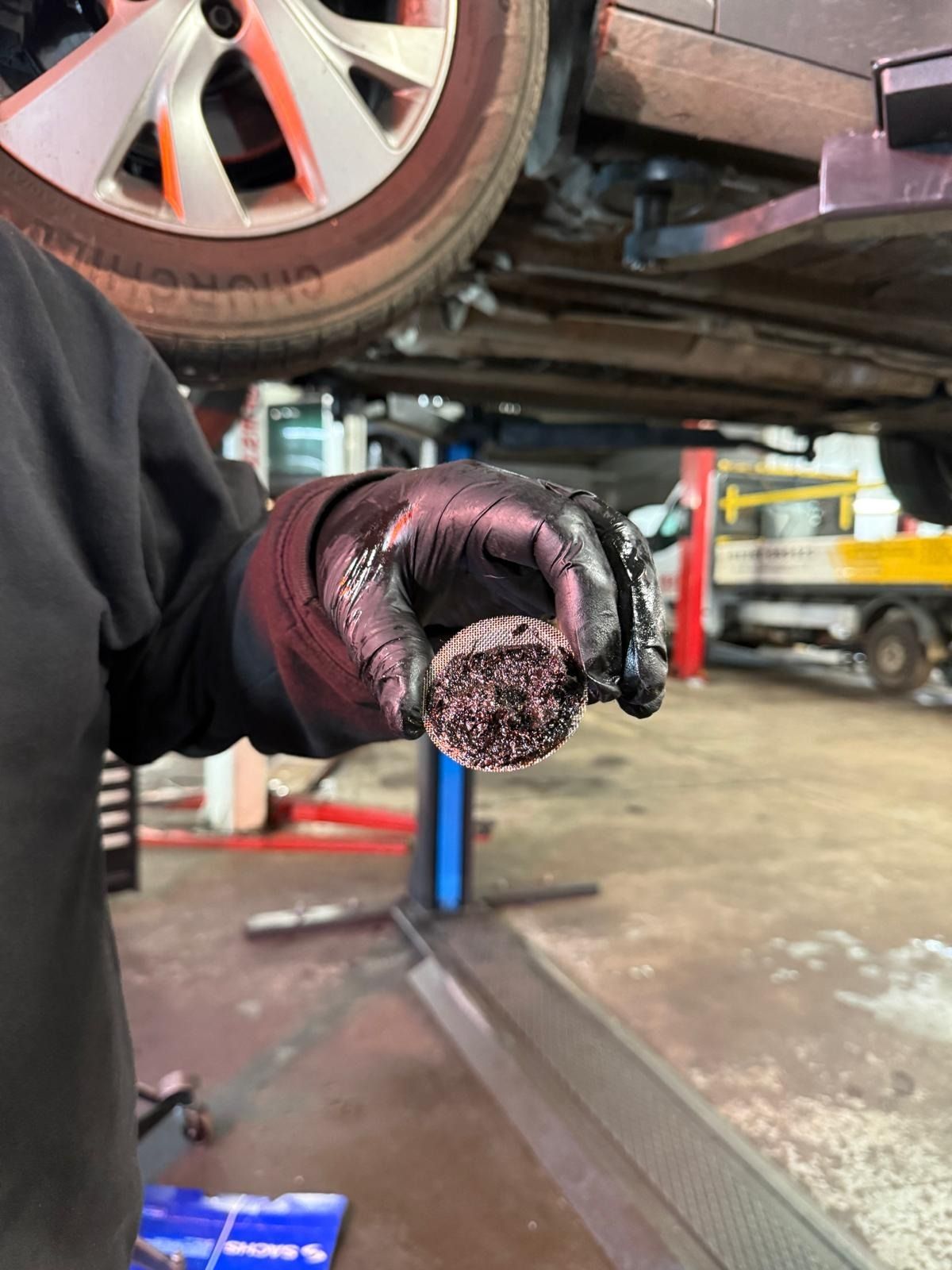
This 2019 Citroen C4 was presented to us with low oil pressure warning messages. Wet timing belt debris has completely blocked the oil pump pick up strainer, the customer has been lucky in as it doesn’t appear there is any other engine damage. A new wet timing belt kit and a thorough clean of the interior of the engine to get this vehicle back on the road again. Regular oil servicing of engines equipped with wet belts and replacement of the belt itself at the correct interval is crucial for continuing reliability and prevention of much larger repair bills.
⚙️ Understanding Wet Belt Problems: Causes, Symptoms & Solutions
Modern engines are more efficient than ever, but some design innovations — such as the wet timing belt — have created new maintenance challenges for vehicle owners.
If you’ve heard about wet belt issues, or your mechanic has mentioned a timing belt replacement that sounds surprisingly expensive, this guide explains exactly why.
🧩 What Is a Wet Timing Belt?
A wet timing belt (also called a “belt in oil” system) is a timing belt that runs inside the engine, lubricated by engine oil.
Manufacturers used this design to:
- Reduce friction and noise
- Improve efficiency
- Extend service life compared to traditional dry belts
You’ll typically find wet belts in small capacity turbocharged engines, especially:
- Ford’s 1.0 EcoBoost
- Peugeot/Citroën 1.2 PureTech
- Some Vauxhall, DS, and Renault models
⚠️ The Problem: Premature Belt Degradation
Although wet belts were designed to last longer (up to 10 years or 150,000 miles), many have failed much sooner.
👇 Common causes include:
- Oil Contamination or Breakdown – Poor‑quality or contaminated oil can cause the rubber to soften, swell, and degrade.
- Infrequent Oil Changes – Extended service intervals mean the oil loses its protective properties, accelerating belt wear.
- Chemical Reaction – The rubber compounds in the belt can release debris into the oil as they deteriorate.
- Design Flaws in Early Engines – Some early systems weren’t designed to handle prolonged oil contact, leading to belt delamination.
🔍 Symptoms of a Failing Wet Belt
If your vehicle has a wet belt, it’s vital to know the signs of early wear.
Watch for:
🚨 Warning Symptoms:
- Rattling or “slapping” noise from the engine (especially on startup)
- Oil pressure warning light or low oil pressure readings
- Poor engine performance or misfires
- Check engine light
- Visible rubber debris in oil (often spotted during an oil change)
If ignored, belt degradation can cause catastrophic engine failure, as fragments block the oil pickup pipe — starving the engine of lubrication.
🛠️ What’s the Solution?
✅ 1. Proactive Maintenance
- Change engine oil and filter more often — at least every 6,000–8,000 miles or annually, not just when the manufacturer suggests.
- Always use manufacturer‑approved oil — even slightly different specifications can damage the belt material.
✅ 2. Early Replacement
- Don’t wait for the official service interval.
- Replace the wet belt every 5–6 years or 60,000–80,000 miles, whichever comes first (varies by engine type).
✅ 3. Inspect During Servicing
Ask your garage to:
- Check for rubber debris in the oil strainer.
- Listen for timing noise.
- Inspect belt wear if possible (some engines require inspection ports or partial dismantling).
✅ 4. Conversion (if applicable)
Some specialist garages offer wet‑to‑dry belt conversions or chain conversions on problematic engines, particularly Ford EcoBoosts.
While it’s a bigger upfront cost, it can prevent major engine failure and extend vehicle life.
💰 What Happens if the Belt Fails?
A broken wet timing belt can result in:
- Severe engine damage (valves, pistons, camshaft)
- Oil contamination and blockages
- Complete engine replacement — costing £3,000–£6,000+ in some cases
That’s why prevention and proper maintenance are crucial.
🧠 Expert Insight from BS Motors Sandy Bedfordshire
At BS Motors Sandy we inspect, service, and maintain all used vehicles thoroughly before they reach our forecourt.
If you’re considering buying a modern used car, especially one with a 1.0 EcoBoost or 1.2 PureTech engine, we can:
- Check its service history for consistent oil changes
- Advise on timing belt replacement schedules
- Help you choose vehicles without known wet belt problems
We prioritise transparency so you can buy confidently — no surprises down the road.
🚗 Final Thought
Wet belts were introduced with the best intentions — better efficiency and quieter running — but real‑world evidence shows they often need more attentive maintenance than promised.
If your car has a wet timing belt, stay proactive about oil changes, schedule inspections, and avoid long service intervals.
And if you’re buying a used car, ask your dealer (or us!) to confirm whether the model is affected and when the belt was last replaced.